

Selecting the ideal SUV involves aligning features with specific needs: space for families, fuel efficiency for commuters, luxury and technology for comfort, and durability for rugged conditions. Consider resale value, budget, desired features, and lifestyle. Prioritize safety, performance, and comfort during test drives. Choose SUVs based on 4WD capabilities, fuel economy, and family-friendly features for a tailored match.
In today’s market, selecting the ideal SUV can feel overwhelming—a daunting task amidst the vast array of options. Consumers often struggle to find a vehicle that seamlessly blends performance, comfort, safety, and style. This guide aims to demystify the process, serving as your authoritative companion in navigating the diverse SUV landscape. We’ll cut through the clutter, offering strategic insights and practical advice to help you naturally select an SUV that perfectly aligns with your needs and preferences. Trust our expertise to unlock your ideal driving experience.
- Understanding Your SUV Needs
- Researching Different SUV Types
- Evaluating Performance and Capabilities
- Considering Fuel Efficiency and Cost
- Exploring Safety Features and Ratings
- Test Driving and Making Your Final Selection
Understanding Your SUV Needs

Finding your perfect SUV match begins with a deep understanding of your specific needs. Unlike sedans or hatchbacks, SUVs offer a unique blend of space, versatility, and sometimes even ruggedness—making them an ideal choice for diverse lifestyles. For instance, families seeking ample room for growing children and their gear will prioritize cargo capacity and safety features like advanced driver-assistance systems (ADAS). Conversely, commuters stuck in urban traffic might prefer a sleeker design with a focus on fuel efficiency and high-tech infotainment to keep them entertained during daily drivetime.
One key aspect to consider is the level of luxury and technology within your desired SUV. High-end models often boast premium interior options like heated and ventilated seats, panoramic sunroofs, and advanced sound systems. These features can transform even the longest commute into a more comfortable experience. For instance, Tesla’s Model Y offers a cutting-edge infotainment system that allows for seamless integration with your smartphone, while Audi’s Q7 provides a standard 10.25-inch touchscreen display with Apple CarPlay and Android Auto support.
Maintenance also plays a significant role in SUV ownership. Busy families on the go will appreciate low-maintenance SUVs that require minimal upkeep. Some crossovers prioritize durability and offer extensive warranties, ensuring peace of mind. For example, Subaru’s Forester is renowned for its ruggedness and dependable all-wheel drive system, which makes it an excellent choice for navigating less-than-ideal weather conditions. By carefully evaluating your priorities—whether that’s advanced technology, luxurious amenities, or low maintenance—you can Select SUVs that offer the perfect balance of features tailored to your lifestyle.
Researching Different SUV Types

When researching different SUV types, understanding your specific needs and preferences is key to making an informed decision. For families seeking both comfort and safety, best midsize luxury SUVs like the BMW X5 or Audi Q7 offer spacious interiors, advanced driver-assistance systems (ADAS), and top-notch build quality. These models not only provide a luxurious driving experience but also prioritize passenger and cargo safety with robust structural designs and cutting-edge safety features.
For those adventurous souls who crave off-road capability, compact SUVs like the Jeep Wrangler or Toyota RAV4 Trailhawk are excellent choices. These vehicles are engineered to tackle challenging terrain with robust all-wheel drive systems, elevated ground clearance, and specialized off-road modes. The Wrangler, in particular, has a cult following for its versatility—it can be your everyday driver while also transforming into an outdoor adventure machine with the flip of a switch.
Another crucial aspect to consider is resale value. SUVs with the best resale value, such as the Honda CR-V and Subaru Forester, retain their value well over time thanks to robust construction, reliable performance, and strong brand reputation. According to Kelley Blue Book data, these models typically lose only 30% to 40% of their original value after five years—a testament to their long-term reliability and marketability. When shopping for an SUV, selecting models known for high resale value can save you money in the long run.
Lastly, always factor in your budget, fuel efficiency, and desired features when Select SUVs naturally. Whether prioritizing luxury, off-road capability, or resale value, performing thorough research and test drives will ensure that your perfect SUV match aligns with both your lifestyle and financial goals.
Evaluating Performance and Capabilities

When selecting an SUV, evaluating performance and capabilities is crucial to ensuring it meets your needs and enhances your driving experience. This involves assessing not just raw power but also advanced driver-assistance packages (ADAS) that have become increasingly important for safety and convenience. Look for SUVs with robust engines offering smooth acceleration and handling, along with efficient fuel economy. Modern family SUVs often come equipped with ADAS like automatic emergency braking, lane-keeping assist, and adaptive cruise control, making them safer choices for households.
For those prioritizing safety, especially when children are involved, consider the safest compact SUVs available in the market. These vehicles undergo rigorous testing and earn top ratings from organizations like the Insurance Institute for Highway Safety (IIHS) and National Highway Traffic Safety Administration (NHTSA). Features such as advanced airbag systems, child seat anchors, and LATCH (Lower Anchors and Tethers for Children) standards are essential when selecting a compact SUV suitable for families with young children.
When in doubt, test drive various SUVs to gauge their performance and capabilities firsthand. Compare how different models handle twists and turns, accelerate from a standstill, and respond to sudden braking events. Additionally, pay close attention to the comfort levels within the cabin, especially during extended journeys. Comfortable seating, ample legroom, and refined noise cancellation can make even the longest drives more enjoyable for both driver and passengers. Remember that selecting the right SUV is not just about capabilities; it’s also about finding a match that aligns with your lifestyle, preferences, and priorities.
Considering Fuel Efficiency and Cost

Selecting an SUV shouldn’t be a compromise between your love for outdoor adventures and concern for fuel costs. Smart consumers today understand that choosing a vehicle is a significant investment, especially when considering long-term ownership costs. In this regard, Fuel Efficiency and Cost are non-negotiable factors that demand careful consideration. Let’s explore how to find the perfect balance between capability and affordability, ensuring you don’t just buy an SUV, but one that seamlessly aligns with your active lifestyle while respecting your wallet.
The quietest SUV options available today offer not only a comfortable ride but also impressive fuel economy. For instance, models like the Toyota RAV4 Hybrid and Honda CR-V Hybrid have consistently topped efficiency charts, boasting combined city/highway ratings exceeding 30 miles per gallon. These hybrid powertrains provide significant savings at the pump while delivering robust performance for daily commutes and weekend getaways alike. If your focus is on affordability, compact SUVs like these not only offer high safety ratings but also competitive pricing points, making them ideal choices for those seeking value without sacrificing quality or safety features.
For outdoor enthusiasts who crave 4WD capabilities, there’s no shortage of affordable options designed to tackle diverse terrains. Models such as the Ford Escape and Subaru Forester provide excellent fuel efficiency while delivering the traction control and off-road prowess needed for exploration. These SUVs offer a unique blend of capability and cost-effectiveness, enabling you to plan that next outdoor adventure without breaking the bank. Remember, selecting an SUV isn’t merely about choosing a vehicle; it’s finding your match for years of reliable performance and enjoyment both on and off the road.
Exploring Safety Features and Ratings
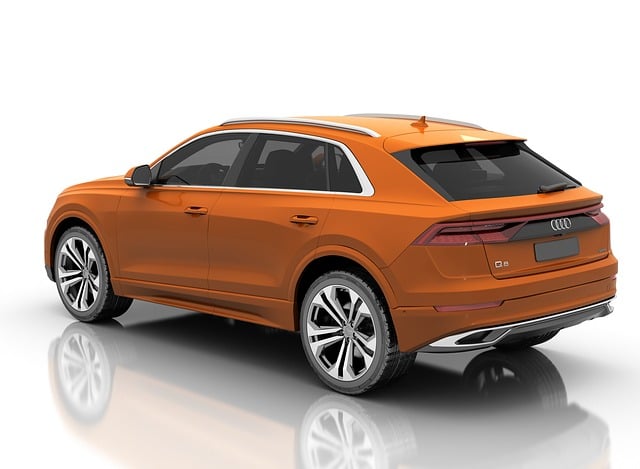
When selecting an SUV, prioritizing safety features and ratings is paramount. Not all SUVs are created equal when it comes to protecting you, your family, and other drivers on the road. Top-tier models incorporate advanced driver assistance systems (ADAS), such as automatic emergency braking, lane departure warning, adaptive cruise control, and blind spot monitoring. These features not only enhance safety but also contribute to a more confident driving experience.
For those navigating harsh winter conditions, the best all-wheel drive SUVs for winter stand out. They offer superior traction and control on snow and ice, ensuring better handling and reduced risk of accidents. Models like the Subaru Outback and Volvo XC60 are renowned for their robust all-wheel drive systems and excellent safety ratings from organizations like the Insurance Institute for Highway Safety (IIHS) and National Highway Traffic Safety Administration (NHTSA).
If fuel efficiency is a priority, consider fuel-efficient hybrid SUVs for long trips. These vehicles combine a conventional engine with an electric motor to achieve lower fuel consumption and reduced emissions. The Toyota RAV4 Hybrid and Honda CR-V Hybrid are excellent choices that offer not only superior fuel economy but also robust safety features. According to the U.S. Environmental Protection Agency (EPA), these models can save drivers hundreds of dollars at the pump annually while minimizing their environmental footprint.
For families in need of ample storage space, numerous SUV options cater to your requirements. Models like the Kia Telluride and Volkswagen Atlas provide generous interior volumes, versatile seating configurations, and easy stowaway features for a variety of cargo needs. These family-friendly SUVs not only prioritize safety with advanced driver aids but also offer comfort and convenience features that make long trips easier for both drivers and passengers alike.
Test Driving and Making Your Final Selection
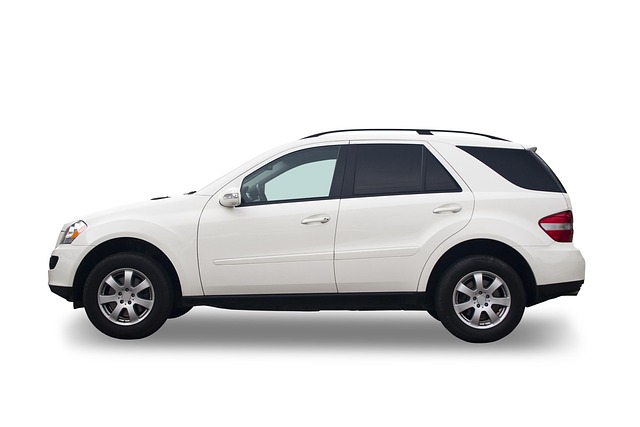
When it comes to selecting your perfect SUV match, test driving is an essential step that cannot be overlooked. It’s one thing to browse online or flip through magazines showcasing the latest models; however, nothing beats getting behind the wheel and experiencing firsthand the vehicle’s performance, comfort, and handling. Test drives allow you to assess whether a particular SUV aligns with your specific needs and preferences. Start by identifying key factors that are important to you, such as premium interior features, spacious cargo capacity, or best-in-class fuel economy. For instance, if highway fuel efficiency is paramount, consider exploring top-rated midsize SUVs renowned for their impressive fuel savings without compromising on performance.
During your test drives, pay close attention to the SUV’s overall driving experience. Do you find it responsive and agile, or does it feel bulky and unwieldy? Evaluate the comfort of the seats, especially during longer trips, as well as the quality and craftsmanship of the interior materials. Consider also the availability of advanced driver-assistance systems (ADAS), which have become increasingly important for safety and convenience. Once you’ve driven several models, compare notes on your experiences. You may find that certain SUVs excel in one area but lag in another, helping you to refine your preferences and make more informed decisions.
As you narrow down your choices, don’t forget to consider long-term ownership costs, including insurance rates, maintenance expenses, and resale value. Researching fuel economy ratings, such as those provided by the Environmental Protection Agency (EPA), can be invaluable for gauging how efficiently a SUV converts gasoline into miles traveled, especially if you’re looking for best fuel-saving midsize SUVs. Remember, selecting a SUV is an investment, so take your time to Select SUVs that offer not just what you need now but also what will serve you well in the future. Ultimately, choosing the right SUV should be a balance between practicality and personal preference, ensuring you leave the dealer’s lot with a vehicle that feels like it was tailored just for you.
After exploring the comprehensive guide on finding your perfect SUV match, you’re now equipped to make an informed decision. Key takeaways include understanding your specific needs, researching various SUV types and their capabilities, evaluating performance and fuel efficiency, assessing safety features and ratings, and finally, test driving before committing. By naturally selecting SUVs that align with these criteria, you’ll ensure a vehicle that not only meets but exceeds your expectations. This authoritative article has empowered you to navigate the complex SUV market, enabling you to choose wisely and confidently.