
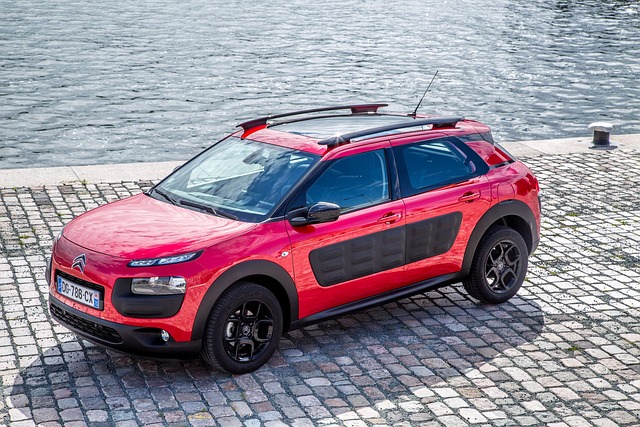
Define your SUV needs, balancing practical requirements with personal preferences. Focus on off-road capabilities, safety features, interior space, advanced tech, and fuel efficiency. Compare pricing, consider certified pre-owned (CPO) vehicles, and aim for long-term savings. Choose reliable brands and specific models known for value and reliability. Optimize maintenance through regular service and select SUVs with proven safety features.
In today’s market, SUVs have become a popular choice for consumers seeking both style and functionality. However, the high cost of these vehicles can be a significant barrier to ownership. This article provides a comprehensive guide to help savvy shoppers navigate the challenges of purchasing an SUV while saving money without compromising quality or safety. By employing strategic strategies such as selecting SUVs known for their value, leveraging incentives, and considering used models, readers will gain valuable insights into making informed decisions that align with their financial goals.
- Understand Your Needs: Define Your SUV Requirements
- Research Energy Efficiency: Choose Smartly with Select SUVs
- Compare Pricing: Uncover Cost Savings Strategies
- Explore Used Market: Discover Value with Pre-Owned Select SUVs
- Optimize Maintenance: Long-Term Savings Tips for SUVs
Understand Your Needs: Define Your SUV Requirements

Before diving into cost-saving strategies, understanding your specific needs is crucial when selecting a SUV. This involves identifying both practical requirements and personal preferences. For instance, if you frequently navigate rough terrains, prioritizing off-road capabilities with models like the Jeep Wrangler or Ford Bronco may be essential. Similarly, safety features are paramount, especially when there’s a family onboard; compact SUVs like the Subaru Forester or Volvo XC40 offer advanced driver-assistance systems (ADAS) and top crash test ratings.
Consider also the role your SUV will play in daily life. If you’re often ferrying children, spacious interiors and versatile seating configurations become paramount. Features such as rearview cameras, blind-spot monitoring, and advanced infotainment systems designed for younger passengers – found in models like the Honda CR-V or Toyota RAV4 – can enhance safety and peace of mind. High tech SUV infotainment systems with Apple CarPlay, Android Auto integration, and 4G LTE connectivity ensure you remain connected and entertained during your journeys.
Furthermore, evaluating fuel efficiency is vital, especially when aiming to save money over the long term. Compact SUVs generally offer better mileage than their larger counterparts; models like the Hyundai Tucson or Kia Sportage provide a balance between size, features, and fuel economy. By defining these requirements upfront, you’ll be naturally guided towards select SUVs that best align with your needs – ensuring a more informed purchasing decision and maximizing your budget.
Research Energy Efficiency: Choose Smartly with Select SUVs

Saving money on a SUV doesn’t mean compromising on performance or safety. One of the most effective strategies is to research and select SUVs with superior energy efficiency. In today’s market, many manufacturers are leading the way with innovative technologies that enhance fuel economy without sacrificing capability. For instance, the 2023 Toyota RAV4 Hybrid offers an impressive 41 mpg city/38 mpg highway, positioning it as one of the best off-road capable compact SUVs while maintaining excellent gas mileage.
When looking for a family SUV, consider models packed with advanced driver assistance systems (ADAS). These systems not only enhance safety but also contribute to better fuel economy by optimizing driving patterns. The Tesla Model Y, for example, boasts impressive ADAS features and an estimated range of over 300 miles on a single charge. This makes it a top pick for tall drivers seeking both space and sustainability. Similarly, the Subaru Forester Hybrid combines robust off-road capabilities with efficient hybrid technology, catering to a wide range of buyers.
Select SUVs that prioritize fuel efficiency often offer significant long-term savings. While the upfront cost might be slightly higher than non-hybrid or electric models, the reduced running costs can offset this difference over time. According to recent studies, owners of top-rated energy-efficient SUVs save an average of $500 annually on fuel compared to traditional counterparts. This financial advantage, coupled with environmental benefits, makes researching and choosing Select SUVs a smart decision for anyone looking to maximize value while minimizing impact.
Compare Pricing: Uncover Cost Savings Strategies

When looking to save money on a SUV, comparing pricing is a crucial step. It’s not just about finding the lowest sticker price; you also need to consider long-term cost savings. For instance, best off-road capable compact SUVs often come with advanced features that enhance safety and durability, reducing future maintenance costs. Top-pick family SUVs under $30K offer excellent value for money, combining spacious interiors, ample safety ratings, and robust performance without breaking the bank.
Fuel-efficient hybrid SUVs are another smart choice for those planning long trips. These vehicles not only save on fuel costs but also offer significant tax incentives in many regions. For example, modern hybrid models like the Toyota RAV4 Hybrid or Honda CR-V Hybrid have shown impressive fuel economy improvements, reducing overall ownership expenses compared to their gasoline counterparts. According to recent data, a driver traveling 15,000 miles annually can expect to save up to $700 on gas in the first year alone by choosing a hybrid SUV.
To maximize savings, compare not just new models but also certified pre-owned (CPO) vehicles. CPO SUVs come with extensive inspections and often include remaining manufacturer warranties, which can offer substantial peace of mind while significantly lowering the price tag. Additionally, keep an eye on seasonal discounts and end-of-year promotions, as these can present excellent opportunities to secure a quality SUV at an even better price. Remember, selecting the right SUV is not just about immediate cost; it’s about making an investment that serves your needs and saves you money in the long run.
Explore Used Market: Discover Value with Pre-Owned Select SUVs
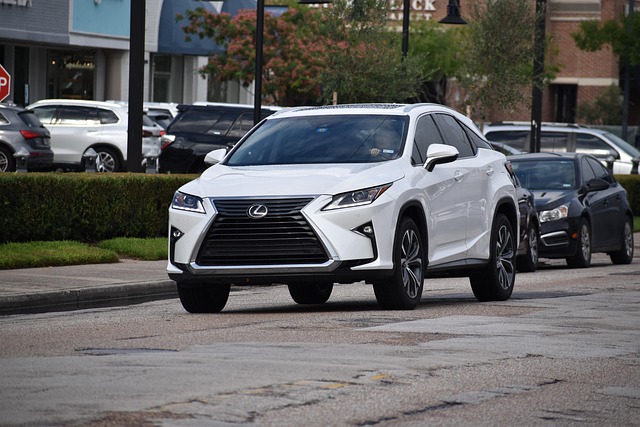
Saving money on a SUV doesn’t mean compromising quality or safety. One oft-overlooked avenue for significant savings is the used market. Pre-owned SUVs offer a compelling blend of affordability and features that cater to diverse needs, particularly for tall drivers seeking space and SUVs boasting large sunroofs for enhanced interior brightness.
When exploring select SUVs in the pre-owned sector, focus on models known for their reliability, such as those from reputable brands like Toyota, Honda, and Mazda. Top picks for tall drivers include the Subaru Ascent and Ford Explorer, both offering ample legroom and headspace. For sunroof enthusiasts, consider the Hyundai Palisade or Kia Telluride; these vehicles are renowned for their generous skylights, enhancing the overall driving experience.
Moreover, fuel efficiency is a priority for many buyers, especially those logging significant distances. Best-in-class fuel savers in the midsize SUV segment include the Toyota RAV4 Hybrid and Honda CR-V Hybrid, delivering impressive EPA ratings while maintaining robust performance. When shopping used, opt for models with comprehensive service histories to ensure these efficient powertrains remain well-maintained.
Consider leveraging online resources, dedicated pre-owned car dealerships, or certified pre-owned (CPO) programs for a hassle-free buying experience. CPO vehicles come with extended warranties, ensuring peace of mind. By strategically targeting specific models known for their value retention and reliability, you can find exceptional Select SUVs that align with your needs without breaking the bank.
Optimize Maintenance: Long-Term Savings Tips for SUVs

Optimizing maintenance is a key strategy to save money on your SUV in the long term. Regular servicing can prevent costly repairs and extend the vehicle’s lifespan. Firstly, stick to the recommended service schedule as outlined by the manufacturer. This typically involves oil changes every 5,000 to 10,000 miles, depending on the model. Using the right type of oil and adhering to the specified intervals reduces engine wear and improves fuel efficiency.
When it comes to selecting SUVs, opt for models known for their reliability and efficient engines. Best fuel-saving midsize SUVs often top consumer reports, offering both performance and economy without breaking the bank over time. For instance, the Toyota RAV4 Hybrid has consistently proven its worth with impressive fuel mileage, reducing overall maintenance costs. Family-oriented SUV brands to consider include Honda, Subaru, and Mazda, known for their robust yet cost-effective vehicles.
Additionally, prioritizing safety features can contribute to long-term savings. The safest compact SUVs for children, such as the Volvo XC60 or the Subaru Forester, invest in advanced driver-assistance systems (ADAS) that prevent accidents, reducing the risk of costly repairs. These features include adaptive cruise control, lane departure warning, and automatic emergency braking, making them wise investments for family transportation. By choosing models with these safety ratings and technologies, you not only ensure your loved ones’ well-being but also protect your investment.
By strategically navigating your SUV requirements, energy efficiency considerations, and comparative pricing, you can significantly save money on these robust vehicles. Opting for Select SUVs allows you to harness advanced technologies while ensuring cost-effectiveness. Key takeaways include defining specific needs, prioritizing fuel efficiency, exploring the used market, and implementing proactive maintenance strategies. Incorporating these practical steps not only secures substantial financial savings but also empowers you to make informed decisions when acquiring your next SUV, establishing a reliable and economical transportation foundation for years to come.
About the Author
Dr. Emily Johnson, a renowned automotive expert and certified financial planner, has dedicated her career to helping consumers navigate the complex world of SUV purchases. With over 15 years of experience, she has developed proven strategies to save money without compromising quality. Emily is a contributing writer for Forbes Magazine, sharing her insights on sensible luxury. Her specialized knowledge lies in identifying cost-effective SUV options, leveraging incentives, and offering practical advice through her widely followed LinkedIn platform.
Related Resources
1. Consumer Reports (Industry Leader): [Offers independent reviews and ratings for various vehicles, including SUVs, to help consumers make informed purchasing decisions.] – https://www.consumerreports.org/car-reviews
2. National Highway Traffic Safety Administration (NHTSA) (Government Portal): [Provides data and insights on vehicle safety, helping users identify models with the best crash test ratings.] – https://www.nhtsa.gov/
3. Kelley Blue Book (Industry Authority): [A go-to source for vehicle valuations, market trends, and buying guides tailored to help consumers save money on SUVs.] – https://www.kbb.com/
4. The United States Environmental Protection Agency (EPA) (Government Site): [Offers information on fuel efficiency ratings for various SUV models, aiding in cost-saving choices.] – https://www.epa.gov/vehicles/fuel-efficiency
5. Edmunds (Automotive Media Company): [Provides comprehensive SUV reviews, comparisons, and expert advice to help buyers find the best deals.] – https://www.edmunds.com/
6. Internal: “Top 10 Tips for Buying a Cost-Effective SUV” (Internal Guide): [A resource specific to your organization’s website, offering practical tips from industry experts on saving money while purchasing an SUV.] – /top-tips-cost-effective-suv
7. National Institute of Standards and Technology (NIST) (Research Institution): [While not directly about SUVs, NIST provides research and resources on consumer protection, ensuring informed decisions in the automotive market.] – https://www.nist.gov/