

When selecting an SUV:
1. Define needs: Consider family size, cargo space, safety features, and audio quality.
2. Understand SUV types: Choose between compact, midsize, or 3-row SUVs based on priorities (family, daily use, off-road).
3. Set budget: Evaluate financial situation, research pricing online, and stick to a realistic budget.
4. Test drive: Prioritize needs like all-wheel drive, fuel efficiency, or family features during test drives.
5. Prioritize safety & features: For families, consider Subaru Forester or Mazda CX-5 for safety and advanced driver-assistance systems (ADAS).
6. Consider resale value: Choose models like Honda CR-V or Toyota RAV4 for long-term investment, or luxury SUVs with high resale like Audi Q5.
7. Balance factors: Select an SUV that aligns naturally with your lifestyle, needs, and budget for a satisfying ownership experience.
In today’s market, selecting the right SUV is a complex task given the myriad options available. Consumers often face a dilemma, caught between diverse models boasting varying features and pricing. This article serves as your authoritative guide to navigating this landscape, focusing on how to buy a SUV smartly. We’ll dissect the key considerations—from identifying your needs and budget to understanding fuel efficiency and safety standards. By the end, you’ll be equipped with the knowledge to naturally select an SUV that aligns perfectly with your requirements.
- Understand Your Needs: Define SUV Requirements
- Research SUV Types: Explore Different Models
- Set a Budget: Smart Financial Planning
- Test Drive Options: Experience Before Buying
- Compare Features: Prioritize Preferences
- Consider Resale Value: Long-Term Benefits
Understand Your Needs: Define SUV Requirements

Before setting out on your search for a smartly selected SUV, it’s crucial to define your requirements and understand your needs. This process goes beyond simply liking the look of a particular model; it involves considering practical aspects that will impact your daily life and long-term satisfaction. Start by evaluating your lifestyle: Do you have a large family requiring ample space? Are you often hauling cargo or equipment? Or, do you prioritize safety features for your children, such as safest compact SUVs designed with their well-being in mind?
Defining these needs will help you filter the market and Select SUVs that naturally align with your priorities. For instance, if space is a concern, look towards best value 3-row SUVs offering generous seating for up to seven passengers along with ample cargo room. If audio quality matters, consider models renowned for their premium sound systems, ensuring an immersive driving experience for you and your passengers. Remember, the SUV landscape offers diverse options catering to various preferences and budgets.
For families prioritizing safety, modern compact SUVs come packed with advanced driver-assistance systems (ADAS) and robust crash-test ratings. These features not only protect your loved ones but also contribute to a peace of mind that’s invaluable on the road. When navigating this process, keep in mind that a smart purchase goes beyond aesthetics; it’s about finding the perfect blend of practicality, safety, and value that meets your unique requirements.
Research SUV Types: Explore Different Models

When exploring the vast world of SUVs, understanding your needs is only the first step. To make a truly smart purchase, you must delve into the diverse landscape of SUV types. The market offers a rich variety, from family SUVs with powerful engines that can tackle any terrain to top-rated midsize SUVs prioritizing comfort and luxury for daily commutes. For those seeking efficiency, fuel-efficient hybrid SUVs provide an eco-conscious option ideal for long trips.
Consider your lifestyle and priorities when Select SUVs naturally. Family SUV models, like the Kia Telluride or Toyota Highlander, offer ample space, advanced safety features, and robust engines capable of pulling trailers or towing boats. Top-rated midsize SUVs such as the Audi Q5 or Lexus NX elevate comfort with plush interiors, advanced infotainment systems, and refined handling, making them perfect for city driving or leisurely weekend getaways. Hybrid SUVs like the Toyota RAV4 Prime or Honda CR-V Hybrid offer both performance and fuel economy, ensuring you can cover long distances without compromising sustainability.
Researching different models is crucial. Explore online reviews, consult automotive experts, and test drive various options to gauge their fit for your needs. Keep an eye on safety ratings from organizations like the IIHS or NHTSA, and check available features that align with your lifestyle. Remember, a smart SUV purchase is one that balances power, comfort, efficiency, and safety—a decision that will serve you well for years to come.
Set a Budget: Smart Financial Planning
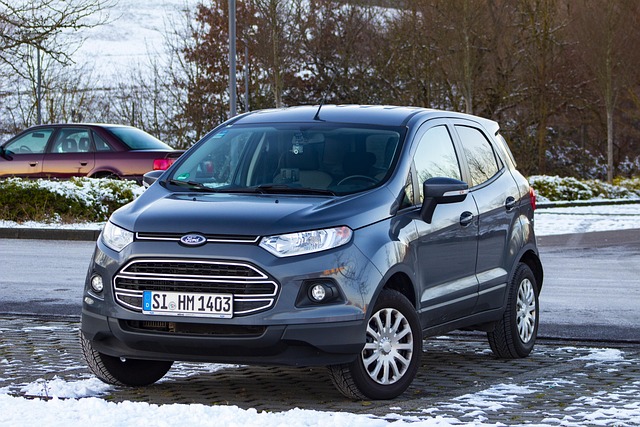
Buying a SUV smartly begins with setting a realistic budget. Understanding your financial constraints is crucial before exploring this popular vehicle segment. The SUV market offers a wide range of options, from family-oriented models with powerful engines to budget-friendly full-size SUVs and safest compact SUVs for children. Setting a budget upfront prevents overspending and ensures you focus on the vehicles that best meet your needs and wallet.
Start by assessing your current financial situation. Consider your annual income, monthly expenses, and existing debt. Researching SUV pricing online can provide valuable benchmarks. Websites and automotive magazines offer extensive data on various models, including their typical price ranges. This information empowers you to set a budget that aligns with your expectations and avoids disappointment later.
Once you have established a budget, stick to it firmly during your search. Remember, the most impressive SUV won’t be worth it if it forces you into financial strain. Explore options within your price range, comparing features, fuel efficiency, safety ratings, and resale value. For instance, compact SUVs like the Toyota RAV4 or Honda CR-V offer excellent safety for children (1-3 years) alongside reasonable pricing. Alternatively, midsize SUVs such as the Ford Explorer or Chevrolet Equinox balance family-friendly features with more powerful engines within budget-conscious price points.
Test Drive Options: Experience Before Buying

When considering a SUV purchase, taking the time to test drive various models is paramount. It’s not just about liking the look; you need to experience how it handles, feels, and suits your needs. This process allows you to select SUVs that offer both performance and practicality, especially when looking for affordable luxury SUVs with low mileage or family-friendly options with ample storage.
Start by identifying your priorities: do you require superior all-wheel drive for winter conditions? Best-in-class fuel efficiency? Or perhaps a comfortable ride for long-distance travel? Test driving diverse models will help you understand each SUV’s unique character. For instance, compact SUVs often excel in maneuverability and efficiency, while larger models provide more interior space and cargo room. Consider the best all-wheel drive SUVs for winter if you live in snowy regions; these vehicles offer enhanced traction and control during harsh weather.
During test drives, pay close attention to ergonomics, visibility, and technology features. Check that the SUV’s controls are within easy reach and comfortable to operate. Evaluate seating comfort, especially if you have a family or frequently transport passengers. Ensure the vehicle offers sufficient storage solutions for your needs—from everyday essentials to larger items like sports equipment or children’s strollers. By taking the time to test drive, you can make an informed decision, ensuring you buy a SUV that not only aligns with your lifestyle but also provides a satisfying driving experience.
Compare Features: Prioritize Preferences
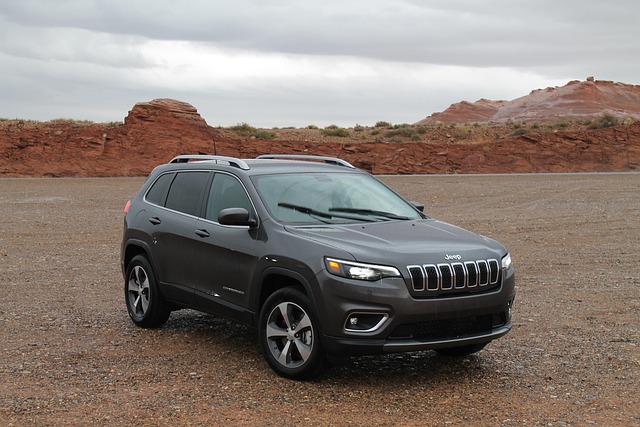
When purchasing a SUV, comparing features is paramount to make an informed decision. Start by identifying your priority needs: safety, fuel efficiency, or luxury amenities. For families with children, consider the safest compact SUVs on the market, such as the Subaru Forester or Mazda CX-5, renowned for their robust safety ratings and advanced driver-assistance systems (ADAS). These features not only protect your loved ones but also enhance overall peace of mind while driving.
For those valuing long-term investment, focus on SUVs with the best resale value. Models like the Toyota RAV4 or Honda CR-V consistently top charts due to their reliability and enduring appeal among buyers. Furthermore, affordable luxury SUVs with low mileage (1-3 years old) offer premium features at a more accessible price point. Examples include the Audi Q5 or Lexus NX, which provide an elevated driving experience without breaking the bank.
Prioritizing your preferences involves weighing factors like engine power, interior space, and technology packages. Research different SUV models to understand their unique selling points. For instance, some may offer spacious interiors ideal for families, while others excel in off-road capabilities or cutting-edge infotainment systems. Select SUVs naturally that align with your lifestyle and needs, ensuring a satisfying ownership experience.
Consider Resale Value: Long-Term Benefits

When buying a SUV, considering its resale value offers long-term benefits that extend beyond initial cost savings. Analyzing market trends for depreciation rates, reliability records, and ongoing demand for specific models helps ensure your investment retains its value over time. Think of it as hedging against future losses – a smart move in an ever-changing automotive landscape.
For example, compact SUVs like the Honda CR-V and Toyota RAV4 consistently rank among top reselling choices thanks to their proven reliability, fuel efficiency, and broad appeal. Conversely, luxury brands may experience steeper depreciation due to higher purchase prices and potential quality fluctuations. When considering a top pick for tall drivers in SUVs, models like the Kia Telluride or Volvo XC90 offer both spacious interiors and strong resale prospects.
Off-road enthusiasts shouldn’t overlook best off-road capable SUVs for bad weather either; vehicles like the Jeep Wrangler and Land Rover Defender are renowned for their ruggedness but also maintain significant resale value due to their dedicated following and versatility. However, be mindful that specialized, high-performance models might face steeper depreciation curves if demand wanes. For budget-conscious buyers, affordable compact SUVs with high safety ratings – such as the Subaru Forester or Mazda CX-5 – offer excellent long-term value, especially when considering safety is a paramount concern for modern drivers.
Ultimately, selecting a SUV should be a well-rounded decision balancing initial cost, practicality, comfort, and future resale potential. By carefully weighing these factors, you can make an informed choice that delivers years of enjoyment without compromising your investment.
Selecting a SUV should be a well-informed decision, guided by your unique needs and preferences. By understanding your requirements, researching different SUV types, setting a realistic budget, test driving various options, comparing features, and considering resale value, you can naturally choose a SUV that offers both functionality and long-term benefits. This strategic approach ensures you invest in a vehicle that aligns with your lifestyle and financial goals, making it an essential guide for anyone looking to buy a SUV smartly.