

When financing an SUV, understand diverse loan options: leasing for flexibility, traditional loans from banks/credit unions for competitive rates, and Certified Pre-Owned (CPO) SUVs for quality at lower costs. Assess finances honestly, compare interest rates, consider total cost of ownership, and focus on reliability & resale value. Trends include affordable 4WD SUVs, fuel-efficient hybrids, and advanced infotainment systems. Select SUVs based on specific needs, financial goals, and preferred lenders for optimal financing.
In today’s automotive landscape, SUVs have become a preferred choice for many vehicle buyers due to their versatility, safety features, and increased interior space. However, navigating the financial aspects of purchasing a Select SUV can be a complex task, especially with various financing options available. This article provides an authoritative guide to unraveling the SUV financing maze. We will explore in detail the diverse range of financing choices, from traditional loans to lease options, empowering buyers to make informed decisions. By the end, readers will have a comprehensive understanding of how to secure the best terms for their Select SUV acquisition.
- Understanding SUV Financing Basics
- Exploring Traditional Loans for SUVs
- Leasing: A Flexible Option for Select SUVs
- Benefits of Certified Pre-Owned (CPO) Financing
- Comparing Credit Union vs. Bank Finance Options
- Future Trends in SUV Acquisition Funding
Understanding SUV Financing Basics

When considering SUV financing, understanding the basics is crucial for making an informed decision. SUV financing options are diverse, catering to various buyer needs and preferences. Lenders offer a range of loan types, from traditional fixed-rate loans to more flexible leasing plans, each with its advantages. One key factor to consider is the vehicle’s value over time. SUVs, known for their robust build and premium features like top-tier sound systems and quiet, smooth rides, often hold their value well due to high demand in a competitive market. For instance, many modern SUV models boast advanced infotainment systems with premium audio, ensuring passengers enjoy rich, immersive sounds during their journey.
Selecting a suitable SUV involves evaluating both its capabilities on the road and financial viability. A prudent approach is to choose vehicles known for their reliability and resale value, ensuring long-term savings. Premium interior options, such as high-quality materials, advanced safety features, and spacious cabins, contribute to overall vehicle desirability but should be considered within one’s budget. For instance, top-tier SUV models often come equipped with cutting-edge driver assistance systems, enhancing both safety and comfort. Leasing offers flexibility, allowing buyers to upgrade to newer models more frequently, while financing through traditional loans provides ownership without the same constraints.
Expert advice suggests evaluating one’s financial situation honestly before applying for SUV financing. Assessing affordability, comparing interest rates, and considering the total cost of ownership over the vehicle’s lifecycle are essential steps. For those seeking a premium experience, opting for a slightly used SUV with excellent maintenance records can offer significant savings without compromising on quality or features. Data suggests that SUVs with robust resale values and satisfied owners consistently appear on best-in-class lists, ensuring both financial security and peace of mind for buyers.
Exploring Traditional Loans for SUVs
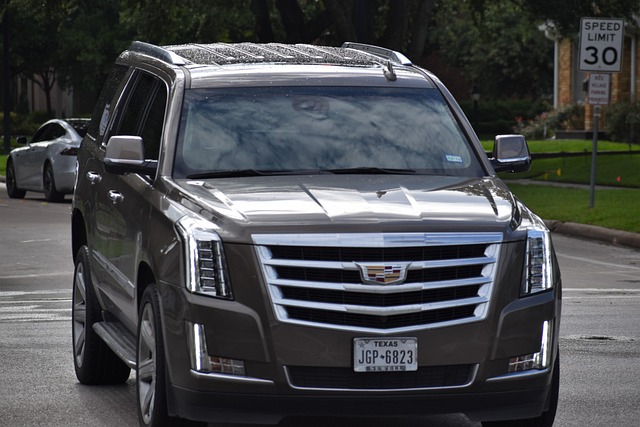
When considering financing options for a new or used SUV, exploring traditional loans is a strategic move for many buyers. These loans, often provided by banks or credit unions, offer flexibility and competitive interest rates, making them an attractive choice for those seeking to purchase select SUVs that cater to modern family needs. The market abounds with options, from best value 3-row SUVs offering ample space for growing families to family SUVs boasting powerful engines capable of tackling diverse driving conditions.
For those prioritizing affordable luxury, there’s a range of SUV models with low mileage, typically ranging from 1-3 years old, which can provide both comfort and savings. These vehicles often come with enhanced safety features and advanced infotainment systems, ensuring both peace of mind and a premium experience. A savvy buyer can secure financing for these desirable SUVs through traditional loan channels, leveraging their research to find the best terms tailored to their budget.
An expert approach involves comparing loan offers from multiple lenders, considering not just interest rates but also loan limits, repayment periods, and any additional fees or benefits. This meticulous process allows borrowers to select a lender that aligns with their financial goals and vehicle preferences, be it a spacious and economical 3-row SUV or a powerful family hauler. By understanding the dynamics of traditional loans, buyers can navigate the market effectively and make informed decisions when purchasing their ideal SUV.
Leasing: A Flexible Option for Select SUVs
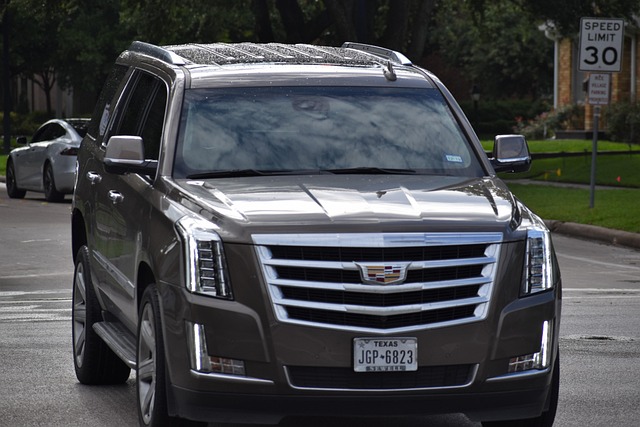
Leasing offers a flexible financing option for those looking to drive select SUVs, providing an attractive alternative to traditional loan agreements. This method is particularly advantageous for individuals who value versatility and want the freedom to update their vehicle regularly. In today’s automotive landscape, leasing has evolved to cater to diverse preferences, including fuel-conscious drivers seeking the best midsize SUVs that offer excellent mileage without compromising on performance. For instance, the 2023 Toyota RAV4 Hybrid stands out as a top choice, delivering an estimated 41 mpg combined and reducing overall ownership costs.
Off-road enthusiasts, too, can find suitable options in the compact SUV segment, where models like the Jeep Wrangler have long been celebrated for their capability. Leasing allows access to these capable machines without the long-term commitment, making it ideal for those exploring off-grid adventures. Moreover, those prioritizing space and luxury can opt for SUVs with the largest sunroofs, enhancing the overall driving experience. The 2023 Hyundai Palisade, for example, boasts an impressive 105.6 cubic feet of cabin space and a panoramic sunroof, making it a premium choice for families seeking both comfort and openness.
When considering leasing, it’s essential to evaluate factors like monthly payments, mileage limits, and termination fees. A professional finance advisor can offer valuable guidance tailored to individual needs. By understanding the terms and benefits, consumers can make informed decisions, ensuring they select the best SUV financing option for their lifestyle and budget. This strategic approach allows drivers to stay ahead of evolving vehicle technology while optimizing their financial commitments.
Benefits of Certified Pre-Owned (CPO) Financing

When considering SUV financing options, Certified Pre-Owned (CPO) models offer a compelling blend of affordability and peace of mind. CPO SUVs come with a rigorous inspection process, ensuring they meet strict age and mileage criteria set by manufacturers. This means buyers can access high-quality vehicles at significantly lower prices compared to brand-new models. Furthermore, CPO financing often includes extended warranties, providing an extra layer of protection for both the buyer and their investment.
One notable advantage of CPO SUVs is their enhanced resale value. Studies show that pre-owned vehicles with certified histories can retain up to 40% more of their initial value over three years compared to non-certified models. This is particularly beneficial for family-oriented SUV brands known for their reliability and long-lasting performance, such as Toyota, Honda, and Subaru. For instance, a used Toyota RAV4 CPO model could offer advanced safety features like automatic emergency braking and lane-keeping assist, alongside a premium sound system typically found in newer SUVs, all while maintaining a competitive resale value down the line.
Additionally, CPO financing often provides access to exclusive incentives and rebates that can further reduce the overall cost of ownership. Many lenders specialize in CPO programs, offering tailored loan packages with flexible terms and competitive interest rates. This is especially attractive for those seeking powerful SUVs with advanced features like all-wheel drive and cutting-edge infotainment systems. By opting for a CPO model, buyers can enjoy the benefits of a like-new vehicle without breaking the bank, ensuring they get the best value for their money in today’s competitive automotive landscape.
Comparing Credit Union vs. Bank Finance Options

When considering SUV financing, navigating between credit union and bank options offers a critical decision point for buyers. Both institutions cater to diverse financial needs, yet subtle differences exist that can significantly impact your experience. Credit unions, structured as member-owned cooperatives, often boast competitive rates due to their lower overhead costs compared to traditional banks. This advantage translates into potential savings on your SUV loan, particularly with longer terms. Moreover, credit unions tend to prioritize personalized service, fostering a more intimate and flexible financing environment.
Bank financing, while established in the mainstream financial sector, may offer broader product ranges. Major banks can provide specialized financing for specific vehicle types, such as fuel-efficient hybrid SUVs ideal for long trips or those with the largest sunroofs catering to outdoor enthusiasts. Top-rated 3-row SUVs under $50K are also more readily accessible through bank lending channels. However, these advantages come at a potential cost; banks’ overhead expenses and wider product offerings might lead to slightly higher interest rates.
Practical insights suggest evaluating your financial profile and the specific SUV model in question before choosing. Credit unions excel at catering to local communities, potentially offering tailored promotions for popular select SUVs. Conversely, banks’ broader reach can be advantageous when seeking financing for niche or luxury models. Ultimately, a thorough comparison of interest rates, term options, and customer service between credit union and bank financiers is key to securing the best SUV financing option aligned with your financial objectives.
Future Trends in SUV Acquisition Funding

The future of SUV financing is set to be shaped by several emerging trends, offering buyers a diverse range of options to accommodate their specific needs. One notable trend is the increasing availability of affordable 4WD SUVs designed for outdoor enthusiasts. These vehicles are not only more accessible in terms of pricing but also boast advanced safety features and improved off-road capabilities compared to previous models. For instance, many manufacturers are now offering leasing packages that include popular choices like the Subaru Forester or the Jeep Grand Cherokee, making these capable SUVs more attainable for adventure seekers.
Additionally, as consumers become increasingly conscious of fuel efficiency, there is a growing demand for best fuel-saving midsize SUVs. This shift towards sustainability has prompted automakers to invest in developing eco-friendly powertrains while maintaining performance. Hybrid and electric SUV models are expected to gain significant traction, offering not only reduced operating costs but also enhanced technological features. The Toyota RAV4 Hybrid, for example, offers impressive fuel economy without compromising on comfort or versatility, making it a popular choice for those looking to reduce their environmental impact.
Another trend gaining momentum is the integration of high-tech SUV infotainment systems. These cutting-edge interfaces are becoming standard across various segments, providing drivers with enhanced connectivity and entertainment options. Advanced features like Apple CarPlay, Android Auto, and intuitive navigation systems not only make driving more enjoyable but also improve safety by enabling hands-free communication and access to real-time traffic updates. Modern SUVs, such as the Ford Explorer or the Honda Pilot, offer robust infotainment suites that compete with off-road capabilities, catering to a wide range of buyers seeking both adventure and technological sophistication.
In conclusion, this article has comprehensively explored the diverse SUV financing landscape, offering readers a strategic roadmap for navigating their purchasing journey. By delving into foundational concepts, traditional loan options, leasing advantages for select SUVs, the benefits of Certified Pre-Owned (CPO) financing, and credit union vs. bank comparisons, we’ve illuminated key decision points. Furthermore, a glimpse into future trends reinforces the dynamic nature of SUV acquisition funding. Armed with these insights, buyers can confidently choose the optimal financing approach, whether opting for traditional loans, leasing, or exploring CPO benefits, ensuring they secure the best possible terms for their specific needs among select SUVs in today’s market.