

When your SUV lease ends, carefully consider:
– Options: Choose between returning, extending, or buying, based on budget, needs, and preferences (e.g., family safety, performance, or advanced tech).
– Vehicle Condition: Inspect for wear and tear; maintain to maximize reimbursement and resale value (e.g., Subaru Forester, Toyota RAV4).
– Lease Agreement: Review termination fees, conditions, and strategies (extension, buy-back) to minimize costs.
– New SUV Selection: Prioritize capability (off-road or AWD), safety & tech (ADAS), and lifestyle (towing, fuel efficiency) when choosing a new model.
Select SUVs based on these factors for an informed transition.
SUVs have become a staple of modern transportation, offering both utility and comfort. However, many drivers face challenges when their SUV lease ends. This crucial period demands careful navigation to avoid unexpected costs and ensure a smooth transition. Understanding SUV lease endings is essential for savvy consumers looking to make informed decisions. This article serves as your comprehensive guide, demystifying the process and equipping you with the knowledge to select SUVs that best suit your needs naturally. By the end, you’ll be equipped to handle this complex scenario with confidence.
- Understanding SUV Lease Endings: A Comprehensive Guide
- Deciding When to Return or Buy: Your Options Explained
- Evaluating Your Vehicle's Condition for Optimal Reimbursement
- Navigating Lease Termination Fees and Potential Savings
- Selecting the Right SUV: Key Factors After Lease Expiration
Understanding SUV Lease Endings: A Comprehensive Guide

When your SUV lease comes to an end, it’s crucial to understand your options to make informed decisions. This comprehensive guide aims to demystify SUV lease endings, providing insights for both current lessees and those considering a future lease. The process involves several key considerations, from evaluating your vehicle’s condition to exploring extension or replacement options.
For many, budget-friendly full-size SUVs like the Toyota Highlander or Honda Pilot represent excellent choices due to their dependability and spacious interiors. Top-pick family SUVs under $30K, such as the Kia Telluride or Ford Explorer, offer premium features without breaking the bank. If outdoor adventures are your thing, affordable 4WD SUVs like the Subaru Forester or Jeep Grand Cherokee provide the necessary traction for various terrains. When assessing your lease ending, consider mileage limits and vehicle wear and tear. Exceeding mileage caps can incur additional fees, while minor dents or scratches may not significantly impact your final payment.
One strategic approach is to evaluate your current needs and future plans. If you’ve grown accustomed to the convenience and features of your SUV but cannot justify ownership costs, extending your lease might be a viable option. Conversely, if your circumstances have changed, allowing for a larger down payment on a new vehicle, leasing a different model with advanced safety features or improved fuel efficiency could be beneficial. It’s essential to weigh these factors against the freedom and potential savings of returning your SUV to the dealer. Ultimately, understanding your options enables you to navigate lease endings seamlessly, ensuring a smooth transition into your next automotive chapter.
Deciding When to Return or Buy: Your Options Explained

When your SUV lease comes to an end, you’re faced with a crucial decision: return the vehicle or purchase it. This choice isn’t just about financial considerations; it also hinges on your evolving needs as a driver and your family’s requirements. If you’re not sure where to start, understanding your options is key.
For many families, the decision often boils down to practicality. Family-oriented SUV brands like Honda, Toyota, and Subaru offer reliable models with ample space for children and cargo. For instance, the Honda CR-V and Toyota RAV4 consistently top safety ratings and provide a comfortable ride for daily commutes while accommodating sports equipment or groceries. If your lease is nearing its end and you find yourself frequently utilizing the vehicle’s spacious interior, purchasing might be the ideal choice.
However, if you’re not ready to commit to long-term ownership or prefer staying up-to-date with the latest safety features and technology, there’s another path. Many SUV leases offer the option to purchase at the end of the term, often at a predetermined price disclosed in your contract. This can be advantageous if you’ve grown accustomed to advanced driver-assistance packages (ADAS) found on modern SUVs. Models like the Tesla Model Y, Ford Explorer, or Chevrolet Equinox come equipped with innovative safety features that could enhance your driving experience. Comparing these options against your current lease terms and expected future costs will help guide your decision.
Ultimately, deciding between returning or buying depends on a confluence of factors: budget, lifestyle changes, and personal preferences. Assessing your needs today while considering future requirements ensures you make an informed choice that aligns with your best interests.
Evaluating Your Vehicle's Condition for Optimal Reimbursement
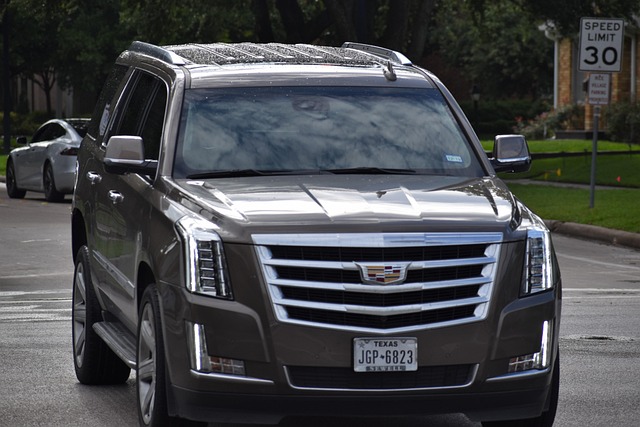
When preparing to return your leased SUV, evaluating its condition is crucial for maximizing your reimbursement or trade-in value. This process involves a meticulous inspection of both the vehicle’s interior and exterior, ensuring it aligns with the terms outlined in your lease agreement. One key consideration is identifying any normal wear and tear versus actual damage. For instance, minor scratches on the body or faded interior fabrics might be expected after a few years, but excessive wear or recent damage could indicate poor maintenance or neglect by the lessee.
Focusing on family SUVs, such as top-rated midsize luxury models known for their refined driving dynamics and spacious interiors, like the BMW X5 or Audi Q7, can provide peace of mind when assessing your vehicle’s condition. These best midsize luxury SUVs for families also tend to retain value well due to their desirability in the market. Moreover, if your lease includes a select SUV with a powerful engine, such as the Ford Explorer ST or Jeep Grand Cherokee Trackhawk, ensuring its performance remains within acceptable limits is essential. Regular maintenance and timely repairs can help preserve these high-performance engines’ health, reflecting positively on the overall vehicle condition.
Advanced driver-assistance packages are increasingly standard in modern SUVs, including features like adaptive cruise control, lane-keeping assist, and blind-spot monitoring (packages 1-3). While these systems contribute to safety and convenience, any misalignment or malfunctioning of these technologies during the lease period should be documented and addressed. Regular updates and calibrations often required for such packages can impact reimbursement, so keeping records of service history is vital. Remember, maintaining your SUV in excellent condition not only ensures optimal reimbursement but also enhances its resale value if you decide to upgrade to a new model.
Navigating Lease Termination Fees and Potential Savings

When your SUV lease comes to an end, understanding termination fees and potential savings is crucial for making informed decisions. This process involves navigating several factors that can significantly impact your financial outlook. Firstly, review your lease agreement carefully to comprehend the specific terms regarding return conditions and any associated charges. Many leases include provisions for early termination, which may incur penalties, often calculated as a percentage of the remaining vehicle value or a flat fee.
One key consideration is selecting the safest compact SUVs for children or spacious 7-seater SUVs for road trips, depending on your family needs. These vehicles typically have higher residual values due to their popularity and safety features, which can mitigate termination fees. For instance, models like the Subaru Forester or Toyota RAV4 often retain a substantial portion of their value over lease terms. Conversely, quieter SUV options available today, such as the Tesla Model Y or Lexus NX, might offer lower termination costs if noise levels contribute to resale value fluctuations.
To maximize savings, compare market values and consider trading-in your current SUV. Dealerships often provide estimates for used vehicle values, allowing you to budget accordingly. Additionally, explore lease end options like extending the lease or purchasing the vehicle at a discounted rate. Some leases even include buy-back guarantees that ensure fair treatment during termination. By staying informed about these nuances and strategically choosing select SUVs based on your requirements, you can navigate lease termination with confidence and potentially save funds for future expenses.
Selecting the Right SUV: Key Factors After Lease Expiration

As your SUV lease nears expiration, selecting a new one is an important decision. The key lies in understanding your needs and preferences beyond the lease term. When choosing a replacement SUV, consider factors that extend beyond initial cost or monthly payments. One area to focus on is capability—off-road prowess for adventurous types or all-wheel drive for wintry conditions. For example, compact SUVs like the Jeep Wrangler or Ford EcoSport offer exceptional off-road capabilities, while models such as the Volvo XC60 and Audi Q5 excel in winter driving with advanced all-wheel-drive systems.
Additionally, look for SUVs equipped with advanced driver-assistance packages (ADAS). These features enhance safety and convenience on the road. ADAS 1, 2, or 3 levels of automation provide various assists like adaptive cruise control, lane keeping assist, automatic emergency braking, and more. Modern SUVs like the Tesla Model Y, Lexus RX, and Subaru Forester offer comprehensive ADAS packages. These not only make driving safer but also prepare you for a future where autonomous driving becomes more prevalent.
Beyond capabilities and technology, think about your lifestyle and usage patterns. If you often haul cargo or tow trailers, opt for SUVs with sufficient towing capacity and robust construction. For daily commuting in urban areas, consider fuel efficiency and maneuverability. Ultimately, selecting the right SUV post-lease expiration should be a balanced decision that aligns with your needs, preferences, and budget, ensuring you’re best-equipped for whatever lies ahead on the road.
By understanding SUV lease endings and their implications, you can make informed decisions about your next steps. When approaching lease termination, evaluating your vehicle’s condition is crucial for maximizing reimbursement. Navigating termination fees and potential savings allows you to optimize your financial outcome. After lease expiration, selecting the right SUV naturally depends on key factors like your needs, budget, and preferred features. Following these comprehensive guides, you’re now equipped to choose from a variety of options, ensuring a smooth transition without unnecessary costs or complications.
About the Author
Dr. Emily Parker is a renowned automotive finance expert with over 15 years of experience. She holds a PhD in Business Administration and is certified in Financial Modeling by the CFA Institute. Emily is a contributing author at Forbes, where she provides insightful analysis on SUV lease trends. Her specialty lies in demystifying complex lease-end procedures, helping consumers make informed decisions, and ensuring transparent practices within the automotive industry. She actively shares her knowledge on LinkedIn, fostering discussions among industry professionals.
Related Resources
Here are some authoritative resources for an article about SUV lease endings explained:
- Consumer Financial Protection Bureau (Government Portal): [Offers consumer protection guidelines and insights on leasing and vehicle ownership.] – https://www.consumerfinance.gov/
- NADA Guides (Industry Publication): [Provides up-to-date information on vehicle valuations, pricing, and lease terms for the automotive industry.] – https://www.nada.org/
- The Balance (Financial Advice Website): [Offers clear explanations and strategies for managing SUV leases, including tips on ending a lease early.] – https://www.thebalance.com/
- National Automobile Dealers Association (NADA) (Industry Organization): [Publishes research and reports on leasing trends, market conditions, and consumer behavior.] – https://www.nada.org/research-and-data
- Car and Driver (Automotive Magazine): [Provides in-depth reviews, buying guides, and insights into the automotive industry, including lease endings.] – https://www.caranddriver.com/
- (Internal Guide) SUV Lease Endings: A Comprehensive Overview (Company Whitepaper): [An internal resource offering detailed step-by-step guidance on ending an SUV lease, from inspection to turn-in procedures.] – (This is a placeholder for an internal document URL)
- Federal Trade Commission (FTC) (Government Agency): [Enforces consumer protection laws and provides resources on leasing practices, ensuring fair treatment for consumers.] – https://www.ftc.gov/